Introduction: Mary, the Chosen Woman
Few women in religious history are as universally revered as Mary, the mother of Jesus. In Christianity, she is called Theotokos—the Mother of God, while in Islam, she is Maryam, the mother of Prophet ‘Isa (Jesus), chosen above all women.
In today’s polarized world, revisiting Mary’s story offers a path to unity. She is not just a theological figure—she is a bridge between Christianity and Islam, the world’s two largest religions.
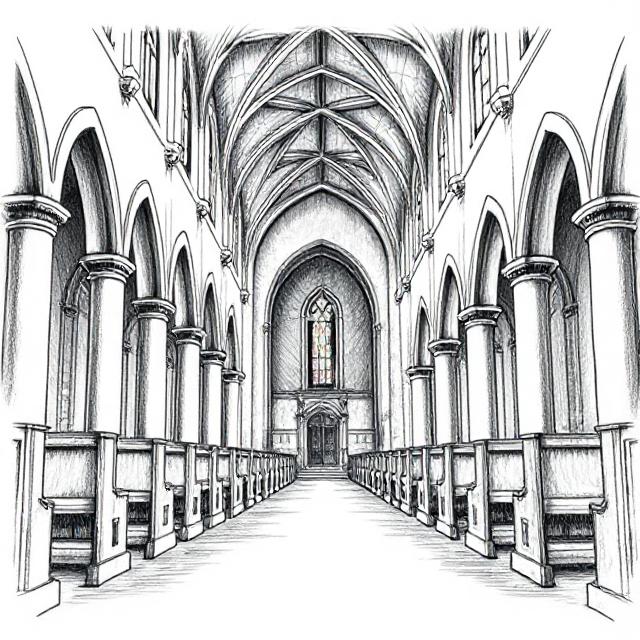
Mary in Christianity: Theotokos and Model Disciple
In the Christian tradition, Mary is central to theology, liturgy, and devotion. She is honored by multiple titles:
- Theotokos: Greek for God-bearer, affirming Christ’s divine nature.
- Immaculate Conception: The belief that Mary was conceived without original sin.
- Perpetual Virginity: Held by many Christian denominations.
- Mother of the Church: Based on Jesus’ words in John 19:26–27.
Mary’s humility and submission to God’s will—“Let it be to me according to your word” (Luke 1:38)—make her a role model for Christian discipleship.
She features prominently in Christian worship:
- The Rosary: Meditative prayers centered on her life and virtues.
- Feast Days: Annunciation, Assumption, and Our Lady of Guadalupe.
Mary is not only revered—she is loved, painted, prayed to, and sung about across centuries.
Maryam in Islam: The Woman Above All Women
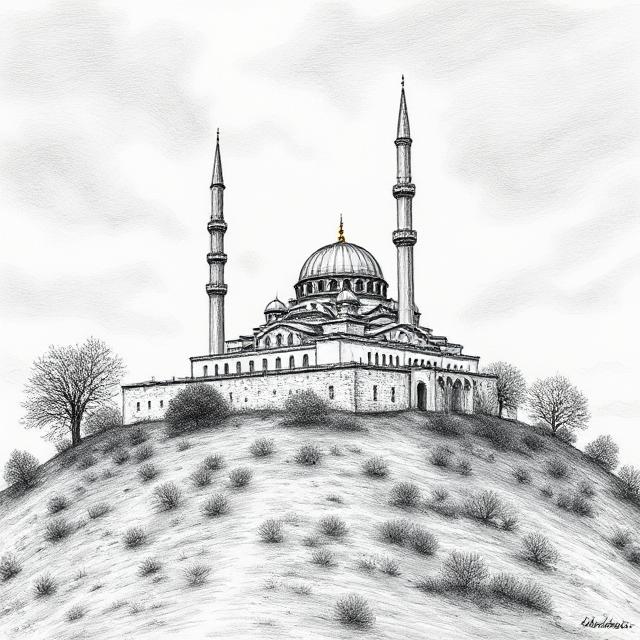
In Islam, Maryam is a paragon of purity and faith. She is the only woman mentioned by name in the Qur’an and has an entire chapter, Surah Maryam (Chapter 19), named after her.
Key Attributes of Maryam in the Qur’an:
- Chosen by God: “O Maryam, indeed Allah has chosen you and purified you and chosen you above the women of the worlds.” (Qur’an 3:42)
- Virgin Birth of Jesus (‘Isa): “She said, ‘How can I have a son when no man has touched me?’” (Qur’an 19:20–21)
- Devotion and Patience: Her trials are a model of spiritual endurance.
Though Islam does not recognize Jesus as divine, Maryam is still honored as a symbol of divine intervention, faith, and feminine strength.
Shared Reverence, Distinct Beliefs
Despite theological differences, both Christianity and Islam venerate Mary as:
- A chosen woman
- A virgin mother
- A symbol of unwavering faith
Where Christianity views her as the Mother of God, Islam emphasizes her as a servant of God—still pure, still miraculous, still revered.
Artistic and Cultural Reflections
Mary has inspired some of the most moving cultural expressions:
- Christian Art: Michelangelo’s Pietà, the Magnificat, and countless Marian hymns.
- Islamic Culture: Maryam’s story appears in Persian poetry, Arabic prose, and mosque calligraphy—always in non-figurative forms, in line with Islamic artistic tradition.
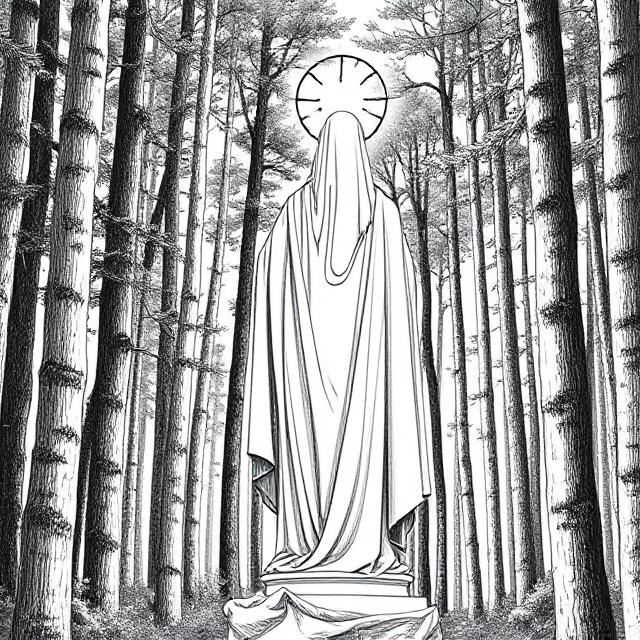
Interestingly, both Islamic and early Gaelic Christian art avoid depictions of people. Instead, they use symbols, geometry, and calligraphy—echoes of a shared humility before the sacred.
A Woman Chosen, Not Possessed
In both traditions, Mary is not possessed by her religion. She is chosen by God, and her identity transcends human boundaries.
- “Behold, I am the handmaid of the Lord…” (Luke 1:38)
- “Indeed Allah has chosen you and purified you…” (Qur’an 3:42)
Her submission to God’s will reflects the essence of faith itself—a surrender that unites rather than divides.
Why Mary Still Matters Today
Mary matters today more than ever. In a world fractured by political, sectarian, and religious tensions, her story calls us to:
- Reconsider the feminine face of spiritual strength
- Reconnect with shared stories of hope, patience, and divine purpose
- Recognize interfaith bridges that already exist
Mary invites people of all faiths—or none—to listen, reflect, and respond to the sacred. She offers a language of unity in a world so often divided.
Final Thoughts
Whether you are Christian, Muslim, or simply spiritually curious, Mary is a reminder of what is most beautiful in religious life: humility, strength, trust, and divine love.
In both Christianity and Islam, Mary is not a figure of dogma alone—she is a living symbol of the possibility a unified familiarity. However, it is important to stress how her initial veneration descended into a form of worship, a distortion of the original pure message rooted in tradition.